DC
Click on the link below:
http://www.huffingtonpost.com/entry/how-autism-impacts-my-life-in-ways-you-cant-see_us_57f18064e4b0972364deb7b5
How Autism Impacts My Life In Ways You Can’t See
You won’t see tons of pictures of me out with family and friends on social media.
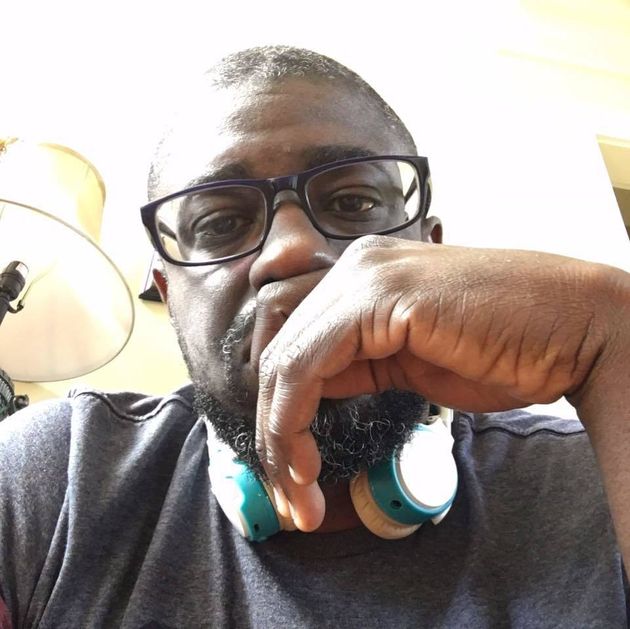
On Friday, Sept. 9, I woke
up without peripheral vision. As I struggled to get our kids ready for
school, I silently thought to myself, “I can’t see.”
I knew what that meant. It wasn’t a first-time experience. It was an impending migraine. I took my medication and went back to bed, but despite the fact that the medication rids me of my migraines pretty rapidly, I still only managed to leave my bed twice that day.
I knew what that meant. It wasn’t a first-time experience. It was an impending migraine. I took my medication and went back to bed, but despite the fact that the medication rids me of my migraines pretty rapidly, I still only managed to leave my bed twice that day.
You see, on Thursday I drove
to Birmingham, Alabama, to attend a one-day conference. It was
exciting. It was inspiring. I learned a lot. I got a chance to spend
time with an extraordinary young man I am mentoring. It was all worth
it, but in the back of my mind I knew I would pay the price. This is the ASD (autism spectrum disorder) I live with.
Social anxiety and sensory processing issues are a huge part of my experience. The way autism affects those who live with it is as vast as the personalities of the people themselves. My life with autism isn’t going to look like the life of the other person you know with autism. In fact, if you’re secretly looking for anything that would indicate I am on the spectrum, I would say that you most likely won’t see anything at all.
What you don’t see is me leaving my home much beyond work, church, and trips to the gym. You won’t see tons of pictures of me out with family and friends on social media.
Social anxiety and sensory processing issues are a huge part of my experience. The way autism affects those who live with it is as vast as the personalities of the people themselves. My life with autism isn’t going to look like the life of the other person you know with autism. In fact, if you’re secretly looking for anything that would indicate I am on the spectrum, I would say that you most likely won’t see anything at all.
Sometimes understanding how autism affects me can only be found in what you don’t see.
Let me explain.What you don’t see is me leaving my home much beyond work, church, and trips to the gym. You won’t see tons of pictures of me out with family and friends on social media.
You won’t see me at the
football game or the concert that everyone is going to. You often won’t
see me hanging out at the mall or at an amusement park. You won’t always
see me at the Memorial Day, Labor Day, or Independence Day cookouts and
fireworks shows. I love all of those events and environments, but the reality I live
with is that I am often forced to choose very carefully how I spend my
time and my sensory resources.
Perhaps that’s why when you see me, I appear to be fine. What you think you see is someone not affected by autism, when in reality what you see is someone who has given up dozens of opportunities to leave home so I can be seen in the few places you always see me. What you don’t see is how much I prepare and how much I pray. Preparation and prayer for most people is something they do when they take an exam.
Perhaps that’s why when you see me, I appear to be fine. What you think you see is someone not affected by autism, when in reality what you see is someone who has given up dozens of opportunities to leave home so I can be seen in the few places you always see me. What you don’t see is how much I prepare and how much I pray. Preparation and prayer for most people is something they do when they take an exam.
For me, preparation and prayer is what I have to do just to exit my home.
Every day I spend hours preparing to encounter a world that my brain isn’t built for, and I pray for the grace, courage, and strength to manage it successfully. When you see that I’m doing fine, just know that fine is a short distance between not being able to get out of bed on a Friday and being able to speak in front of hundreds of people on Sunday morning.
Fine is a short distance
between failure and faith and fatigue and focus. Like a smartphone app
stuck in refresh mode, my brain is constantly searching for data, taking
in the sights, sounds, and smells using up all of my precious data, and
the end result is always a drained battery that leaves me with just
enough physical energy to climb out of bed to use the restroom.
That’s what you don’t see, but let me tell you what you do see:
What you see is a gift given to me by God. A gift to persevere. A gift to overcome. A gift to inspire. What you see is a talent for transforming life’s toughest moments into life’s most teachable moments.
My life on the spectrum showcases the strength of the human spirit. My challenges haven’t defined me; rather, I have publicly defied the odds that have been stacked against me.
What you see is God using the stage of my struggles as a platform to showcase a divine strength. A strength that is so other worldly that it actually makes my life look easy.
That’s what you don’t see, but let me tell you what you do see:
What you see is a warrior. Despite my difficulties with sensory processing and social anxiety what you don’t see is someone who is weak. I am strong. I am a fighter. I am a gladiator.
Like the athletes who grace the gridiron on Saturdays and Sundays playing the great sport of football, my life is the perfect blend between beauty and brutality and between grace and grit.What you see is a gift given to me by God. A gift to persevere. A gift to overcome. A gift to inspire. What you see is a talent for transforming life’s toughest moments into life’s most teachable moments.
My life on the spectrum showcases the strength of the human spirit. My challenges haven’t defined me; rather, I have publicly defied the odds that have been stacked against me.
What you see is God using the stage of my struggles as a platform to showcase a divine strength. A strength that is so other worldly that it actually makes my life look easy.
What you see is the grace to learn how to be less of a taker and more of a giver.
Life on the spectrum may have taken parts of me, but rather than responding by becoming a victim and a taker, it has motivated me not to take things for granted but to take chances, take risks, take opportunities, take charge, and to take a stand, and by taking these things I have in return been given the grace to give the world the best of me.
To all of my awesome autism warriors, keep fighting the good fight. We see you!
A version of this post appears on autismpastor.com
Life on the spectrum may have taken parts of me, but rather than responding by becoming a victim and a taker, it has motivated me not to take things for granted but to take chances, take risks, take opportunities, take charge, and to take a stand, and by taking these things I have in return been given the grace to give the world the best of me.
To all of my awesome autism warriors, keep fighting the good fight. We see you!
A version of this post appears on autismpastor.com